Stopping Infestations Where They Actually Start
Ant Control in Galion and the surrounding North Central Ohio areas for Activity Around Foundations and Entry Points
Done Right Pest Management LLC handles ant control in Wooster by targeting the infestation itself rather than the ants visible on countertops or floors. Repeated surface treatments leave the colony intact, which means activity returns as soon as the barrier fades. The work focuses on identifying where ants enter structures, where trails lead back to nesting sites, and what conditions around foundations and landscaping allow colonies to establish close to buildings.
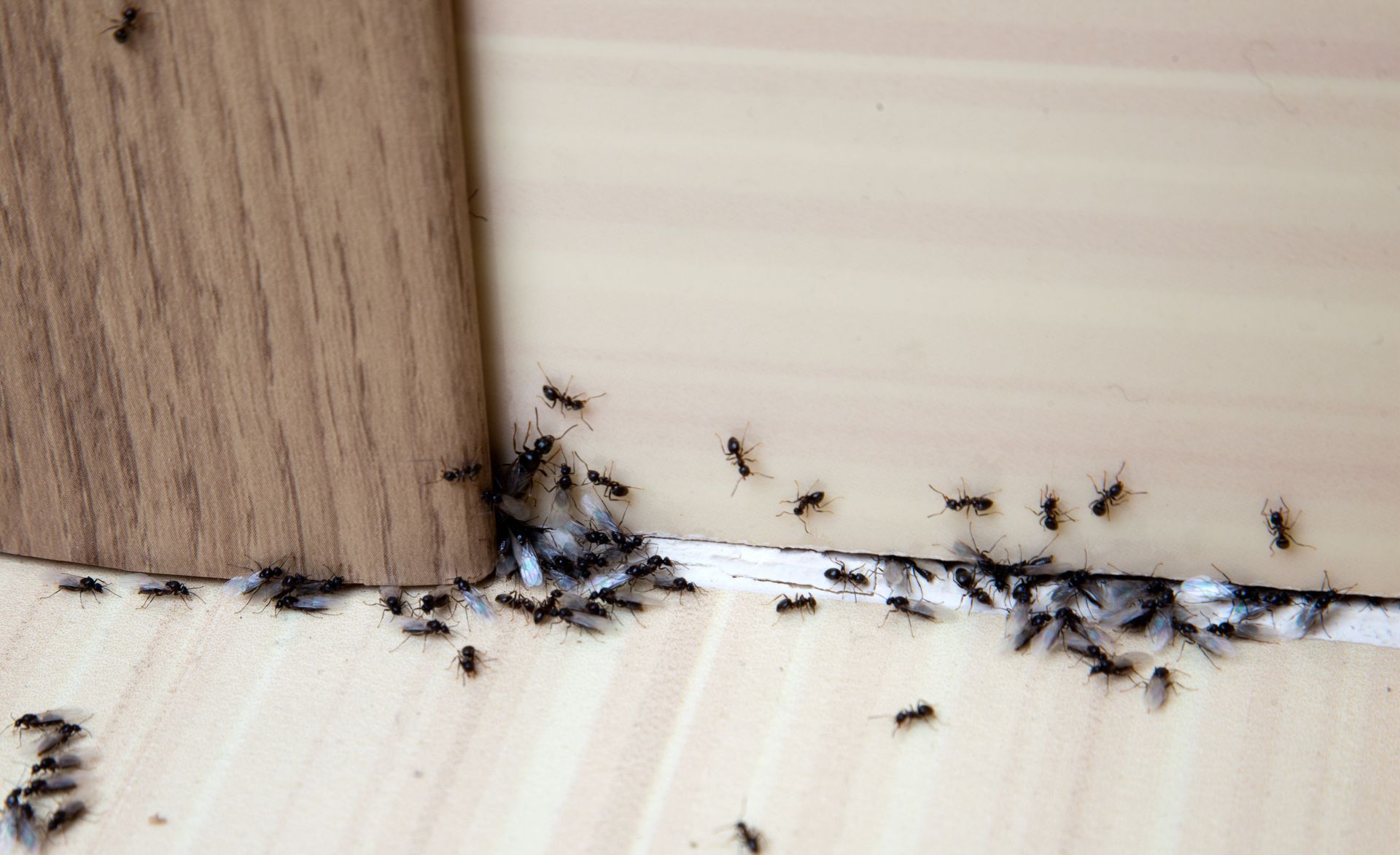
Ant pressure often concentrates around kitchens and bathrooms because moisture and food residue attract foraging workers, but the source of ongoing activity sits outside in soil voids, under concrete slabs, or inside wall cavities where the queen and brood remain protected. Treatment addresses those exterior colonies and the entry points that allow workers to move between nesting sites and interior food sources. In northern Ohio, pavement ants and odorous house ants are common around foundations during spring and summer when colony populations expand and foraging intensity increases.
Schedule a property inspection to locate active trails and determine where colonies are affecting your home or business.
How Targeted Treatment Reduces Colony Pressure
Effective ant control starts with identifying the species involved, because nesting behavior and foraging patterns vary significantly between pavement ants that nest in concrete cracks, carpenter ants that hollow out wood, and odorous house ants that relocate frequently under mulch or landscaping stones. Once nesting sites and entry points are located, treatment focuses on delivering material where it disrupts colony function rather than where ants are simply visible. Done Right Pest Management LLC applies customized treatments that account for the infestation's location, the structure's construction, and the level of activity observed during the inspection.
After treatment is completed, you'll notice trails disappear from countertops, windowsills, and baseboards as the colony's ability to send foragers inside is interrupted. Activity that previously returned every few days stops recurring because the source population has been addressed. Properties with heavy landscaping or mulch beds close to foundations may require exterior monitoring to prevent recolonization during peak foraging months.
Ongoing protection options are available for properties where conditions favor repeated colony establishment, particularly around exterior slabs, planters, and areas where moisture collects near the building. These plans include scheduled inspections and treatment adjustments based on seasonal activity patterns observed across north central Ohio.
Questions Property Owners Ask About Ant Control
Ant infestations vary depending on the species, the season, and how close nesting sites sit to the structure, so treatment decisions reflect those specific conditions rather than a uniform approach.
What causes ant activity to return after surface treatments?
Surface sprays eliminate visible workers but do not reach the queen or brood, so the colony continues producing foragers that follow the same trails back inside within days.
How does treatment address colonies that nest outside the building?
Exterior applications target soil voids, pavement cracks, and mulch beds where colonies establish, using materials that workers carry back to nesting sites and transfer to other colony members.
When is ant activity highest in Wooster?
Foraging intensity peaks during late spring and summer as colonies expand, with pavement ants and odorous house ants most active when soil temperatures warm and outdoor moisture levels support larger populations.
What preparation helps reduce ant pressure after treatment?
Sealing visible entry points around pipes, cables, and foundation cracks reduces how easily foragers move between exterior nesting sites and interior food sources, which lowers the chance of recurring trails.
How long does it take for activity to stop after treatment?
Most properties see trail activity decline within a few days as the treatment disrupts colony communication and foraging behavior, though complete elimination depends on colony size and the number of satellite nests involved.
Done Right Pest Management LLC offers safe and effective treatments designed around your property's specific conditions and the species causing pressure. Contact the team to discuss ant control options and schedule service in Wooster and surrounding areas.