Outdoor Spaces Without Stinging Hazards
Wasp Removal in Mansfield and the surrounding North Central Ohio areas for properties with active nests around eaves, porches, garages, and frequently used entrances
Nests built under eaves, inside siding gaps, or around garage door tracks place stinging insects directly in the path of foot traffic, creating a defensive response when wasps perceive vibration or movement near their colony. Done Right Pest Management LLC removes wasp nests from structures throughout Wooster, focusing on locations where activity creates immediate risk—porch ceilings where families gather, shed corners near mowing equipment, and doorway overhangs where children pass daily. Wasps defend nesting sites aggressively during late summer when colony populations peak, and even minor disturbances can trigger multiple stings from worker wasps guarding the entrance.
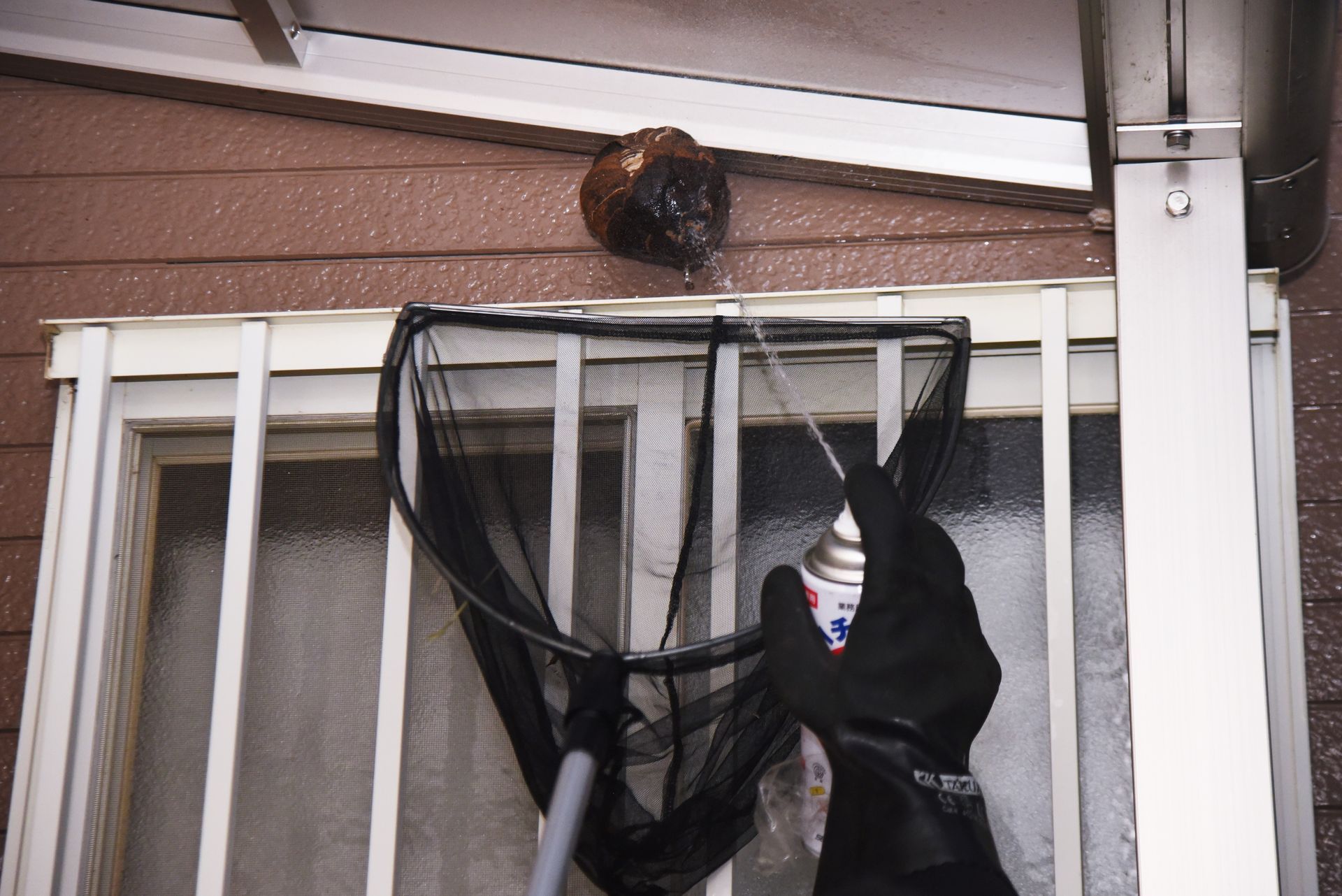
Professional wasp control involves treating nests directly with contact insecticides that rapidly immobilize returning foragers and workers inside the structure, preventing the aggressive swarming behavior that occurs when nests are physically struck or knocked down without prior treatment. Safe removal means addressing the colony when it's most vulnerable, typically during early morning or evening hours when wasps are less active.
Request an assessment to locate all active nests on your property and schedule safe removal before colonies expand further.
What Proper Wasp Control Requires
The process starts with identifying nest locations and species type, since paper wasps build open-comb nests under horizontal surfaces, yellowjackets nest inside wall voids or ground cavities, and bald-faced hornets construct large enclosed nests in trees or under roof lines. Each species requires a different treatment approach based on nest structure and defensive behavior. Technicians apply targeted insecticide treatments that knock down active wasps quickly while treating the nest interior to prevent survivors from rebuilding or relocating nearby.
After treatment, wasp activity around the nest entrance stops within hours, and the structure can be safely removed once all returning foragers have contacted the treated surface and died. Outdoor spaces that previously required cautious navigation become accessible again, and entrances where wasps hovered defensively will no longer trigger stinging encounters. The nest itself stops growing, eliminating the late-season risk of colonies reaching their largest and most aggressive size.
Effective wasp control also includes inspecting other potential nesting sites around the property, since wasps often establish multiple nests in sheltered areas during the same season. Eaves, vents, playground equipment, outdoor lighting fixtures, and tree branches near structures all provide suitable locations, and addressing visible nests without surveying the entire property can leave additional colonies undetected.
Answers to Frequent Service Questions
Property owners in Wooster often ask about timing, safety during treatment, and how to prevent nests from returning. These answers cover typical concerns.
What signs indicate that a wasp nest is active and needs professional removal?
Wasps flying in and out of a single location repeatedly, chewed wood fibers visible on nest surfaces, aggressive behavior when people approach within several feet, or audible buzzing from inside wall voids all confirm that a colony is actively occupied and growing.
How is wasp removal handled differently depending on nest location?
Ground nests and wall voids require dust formulations that wasps carry into the colony as they move through treated areas, while exposed nests under eaves or in trees are treated with liquid sprays that coat the structure and kill wasps on contact.
When during the year are wasps most likely to build nests around Wooster properties?
Nest construction begins in late spring as queens emerge from winter shelters, colonies grow throughout summer, and populations peak in late August and September when worker numbers are highest and food becomes scarce, increasing defensive aggression.
Why is DIY wasp nest removal more dangerous than professional treatment?
Untrained removal attempts often involve striking or spraying nests during daylight when colonies are fully active, provoking mass defensive attacks from dozens or hundreds of wasps that sting repeatedly, whereas professionals treat nests during low-activity periods with equipment that maintains safe distance.
What can be done to reduce the likelihood of new wasp nests forming after removal?
Sealing gaps in siding, screening vents, removing old nest material that attracts new queens, and trimming vegetation away from structures all reduce available nesting sites, though wasps will still forage in areas with flowering plants and water sources.
Done Right Pest Management LLC handles wasp nests safely and effectively, protecting your property from stinging hazards without the risks of DIY approaches. Call (567) 224-5216 to arrange prompt wasp-control service and restore safe access to outdoor areas.