
Targeting Resting and Breeding Conditions
Mosquito Control in Massillon and the surrounding North Central Ohio areas for Yards and Outdoor Gathering Spaces
Mosquito pressure builds around properties when standing water, vegetation, and shaded areas create conditions that support breeding and provide daytime resting sites for adult mosquitoes. Done Right Pest Management LLC handles mosquito control in Wooster by identifying where larvae develop in stagnant water and where adults rest in shrubs, ground cover, and underneath deck surfaces during daylight hours. The service applies targeted treatment to those specific areas rather than attempting to eliminate mosquitoes across the entire property, which is impractical given how far mosquitoes can travel and how quickly populations rebound when breeding sites remain active.
Mosquito problems intensify during Ohio's warmer, wetter periods when outdoor activity increases and families want to use patios, decks, play areas, and yards without constant interference from biting insects. Breeding occurs in any container or depression that holds water for more than a few days, including clogged gutters, low spots in lawns, plant saucers, birdbaths, and ornamental ponds, while adults rest in dense vegetation and shaded areas during the heat of the day before emerging to feed at dusk and dawn.
Schedule seasonal mosquito control to reduce pressure in the outdoor spaces where your family gathers most often.
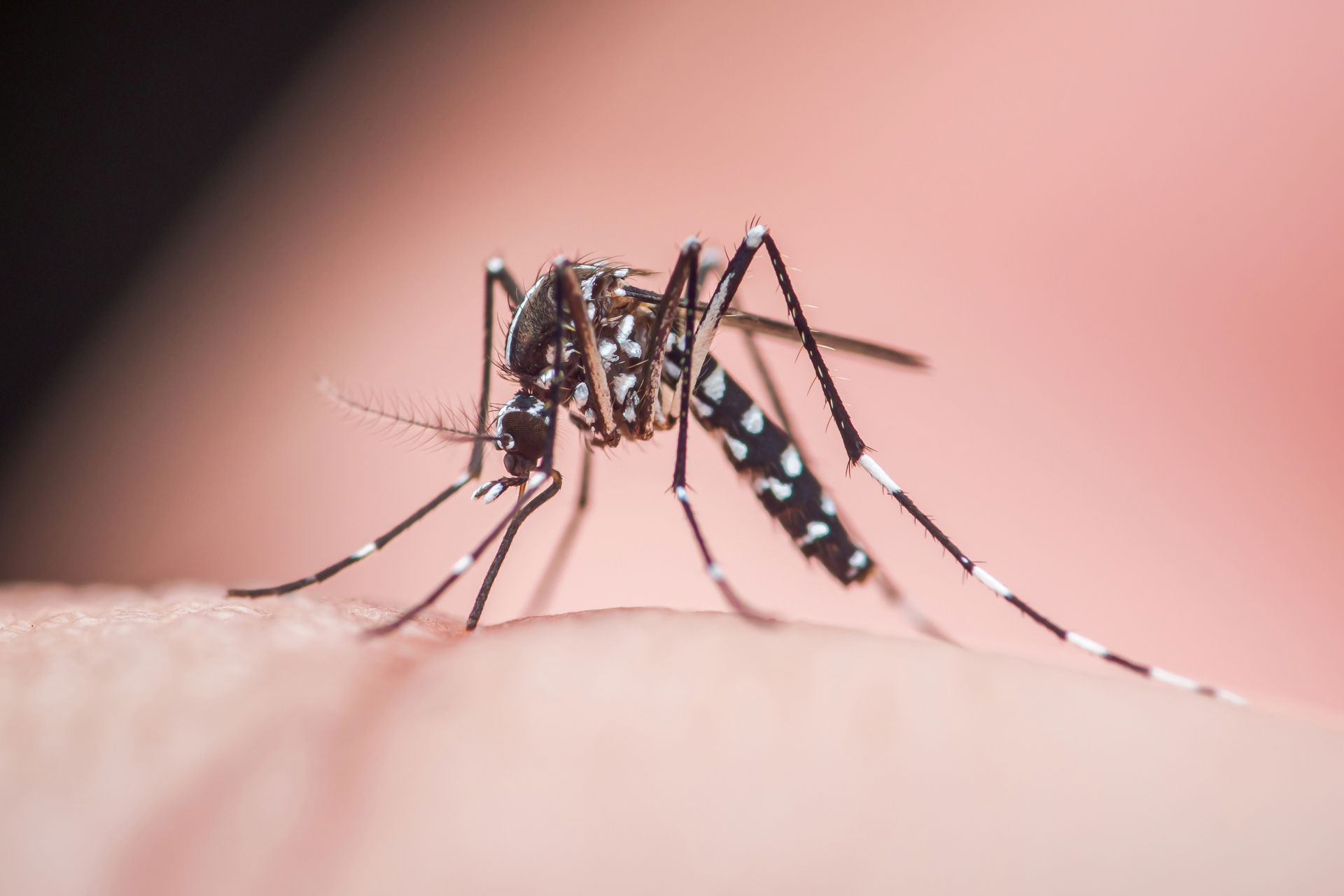
How Treatment Reduces Outdoor Mosquito Pressure
The process begins with inspecting the property to locate likely breeding sites and identify where adult mosquitoes rest during inactive periods. Treatment is applied to vegetation, ground cover, and shaded surfaces where adults congregate, using materials that remain active long enough to affect mosquitoes as they return to those resting sites between feeding cycles. When accessible breeding sites are identified, options may include removing standing water, treating larvae in containers that cannot be drained, or recommending property modifications that reduce how much water collects and remains stagnant.
After treatment is completed, you'll notice fewer mosquitoes around patios, decks, and lawn areas during early morning and evening hours when outdoor activity is most common. The reduction is most noticeable in the zones closest to where treatment was applied, though mosquito pressure can return as new adults move onto the property from neighboring areas or as untreated breeding sites continue producing additional generations. Properties with heavy landscaping, ponds, or adjacent wetlands benefit from repeated applications timed to match peak mosquito activity observed during late spring, summer, and early fall across north central Ohio.
Effective mosquito management depends on cooperation between professional treatment and property owner actions, because breeding sites in gutters, wheelbarrows, tarps, and decorative containers will continue producing mosquitoes regardless of how frequently adults are treated. Draining or refilling water features weekly, maintaining gutters, and eliminating containers that collect rainwater all complement treatment by reducing how quickly populations rebound between service visits.
Frequent Mosquito Control Questions
Mosquito management involves understanding the pest's biology, how local conditions affect population cycles, and what treatment can realistically accomplish given how mobile mosquitoes are.
What areas are treated during mosquito control service?
Applications focus on vegetation, shrubs, ground cover, underneath decks, and shaded surfaces where adult mosquitoes rest during the day, as well as any accessible standing water where larvae are developing.
How often should mosquito treatment be applied?
Most properties require treatment every three to four weeks during the active season to maintain consistent pressure reduction, because mosquito life cycles are short and populations rebound quickly once residual activity fades.
What can property owners do to improve mosquito control results?
Eliminate standing water in gutters, containers, and low spots, trim dense vegetation to reduce resting sites, and ensure water features are circulated or refreshed regularly to prevent larvae from completing development.
When is mosquito activity highest in Wooster?
Pressure peaks during Ohio's warmer, wetter months from late spring through early fall, with the heaviest populations typically appearing in mid to late summer when temperature and humidity favor rapid breeding cycles.
Why do mosquitoes return after treatment?
Mosquitoes are mobile and will move onto the property from neighboring areas, untreated breeding sites continue producing new adults, and residual treatment activity declines over time, so repeated applications are necessary to maintain lower pressure levels.
Done Right Pest Management LLC applies mosquito control designed around the specific conditions affecting your property and the outdoor spaces your family uses most. Contact us to arrange seasonal service in Wooster and surrounding areas.