Storage and Utility Areas Protected From Damage
Rodent Control in Wooster and the surrounding North Central Ohio areas for residential and commercial properties with mouse or rat activity around occupied and storage spaces
Scratching sounds inside walls at night, small dark droppings along baseboards, shredded insulation or fabric used for nesting, and gnaw marks on food packaging all indicate that mice or rats have established travel routes and nesting sites within your property. Done Right Pest Management LLC identifies and controls rodent activity before populations expand into additional rooms, targeting the areas where mice and rats enter structures, nest in hidden voids, and forage for food and water. In Wooster properties, common rodent entry points include foundation cracks, gaps around utility penetrations, roof-line openings near attic vents, and gaps under garage doors that allow mice to slip through openings as small as a quarter-inch wide.
Rodent control combines trapping, exclusion, and monitoring to address current populations and prevent new individuals from replacing those removed, recognizing that rodents reproduce rapidly and a few individuals can become a severe infestation within weeks if entry points remain open. The service covers both residential homes where mice contaminate kitchens and commercial properties where rats threaten inventory and violate health codes.
Arrange an inspection to locate rodent access points and active areas, then implement a control plan tailored to your property's specific conditions.
Why Rodent Activity Happens and How to Stop It
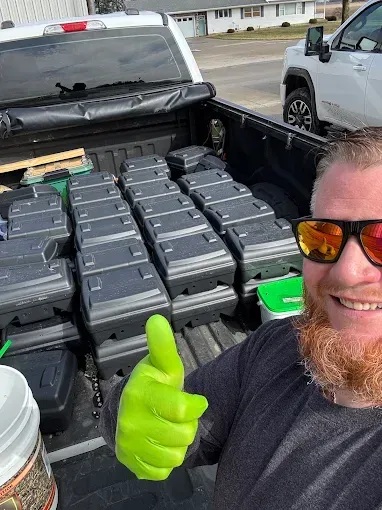
Treatment begins by identifying signs of rodent activity—droppings concentrated along walls where mice travel, urine stains visible under UV light, gnawed entry holes through drywall or siding, and nesting material like shredded paper or insulation found in storage boxes or wall voids. Technicians place snap traps and bait stations in high-activity areas based on these signs, positioned along travel routes where rodents move between nesting and foraging sites. Exclusion work follows, sealing the foundation gaps, pipe penetrations, and roof openings that allowed rodents to enter initially.
After control measures are in place, scratching sounds stop as trapped rodents are removed and new individuals can't enter through sealed openings, and droppings cease accumulating along baseboards and inside cabinets where mice previously foraged nightly. Food packaging will no longer show fresh gnaw marks, and the musky odor associated with heavy rodent infestations fades as urine contamination stops and nesting sites are eliminated. Properties with attic or crawlspace activity will see an end to insulation damage and wiring hazards caused by gnawing behavior.
Long-term rodent control requires maintaining exclusion barriers and addressing sanitation factors that attract and sustain populations—storing food in sealed containers, removing outdoor debris piles that shelter rodents near structures, trimming vegetation away from siding, and fixing moisture problems that provide water sources. Ongoing monitoring through periodic inspections ensures that seasonal rodent pressure during fall and winter doesn't lead to re-infestation through new gaps or deteriorated seals.
What Property Owners Usually Ask
Rodent control questions often focus on identifying rodent types, understanding how infestations develop, and preventing recurrence in Wooster properties.
What signs confirm that rodents are actively living inside a structure rather than just passing through?
Fresh droppings that appear daily, gnawed food packaging, nesting material found in storage areas, greasy rub marks along walls where rodents travel repeatedly, and scratching or scurrying sounds during nighttime hours all indicate that rodents have established nesting sites and regular activity patterns indoors.
How does rodent control address both the animals present and the conditions that allowed them to enter?
Trapping removes current populations, exclusion work seals entry points to prevent new rodents from replacing those removed, and sanitation adjustments eliminate food sources and harborage that make spaces attractive to rodents, addressing all three factors that sustain infestations.
When are mice and rats most likely to enter structures in Wooster?
Fall and winter months drive rodents indoors as outdoor food sources diminish and temperatures drop, with peak entry occurring from September through November as rodents seek sheltered nesting sites, though entry can happen year-round if gaps and food sources remain available.
Why do rodent problems often recur even after traps have removed visible mice or rats?
Trapping alone doesn't close the entry points that allowed rodents to enter, so new individuals from outdoor populations continue moving inside through the same gaps, and if food and nesting material remain accessible, replacement rodents establish in the same areas within days.
What property features attract rodents and increase the likelihood of infestation?
Bird feeders and pet food left outdoors provide easy food sources, cluttered basements and garages offer undisturbed nesting sites, leaky faucets supply water, and overgrown shrubs touching siding create travel routes that lead rodents directly to foundation gaps and entry points.
Done Right Pest Management LLC controls rodent activity through trapping, exclusion, and monitoring, protecting your property from ongoing damage and contamination. Contact (567) 224-5216 to schedule rodent control and prevent small problems from becoming severe infestations.