Furniture That Stays Safe to Use
Bed Bug Treatment in Norwalk and the surrounding North Central Ohio areas for homes and businesses facing active infestations in bedrooms, furniture, and common areas
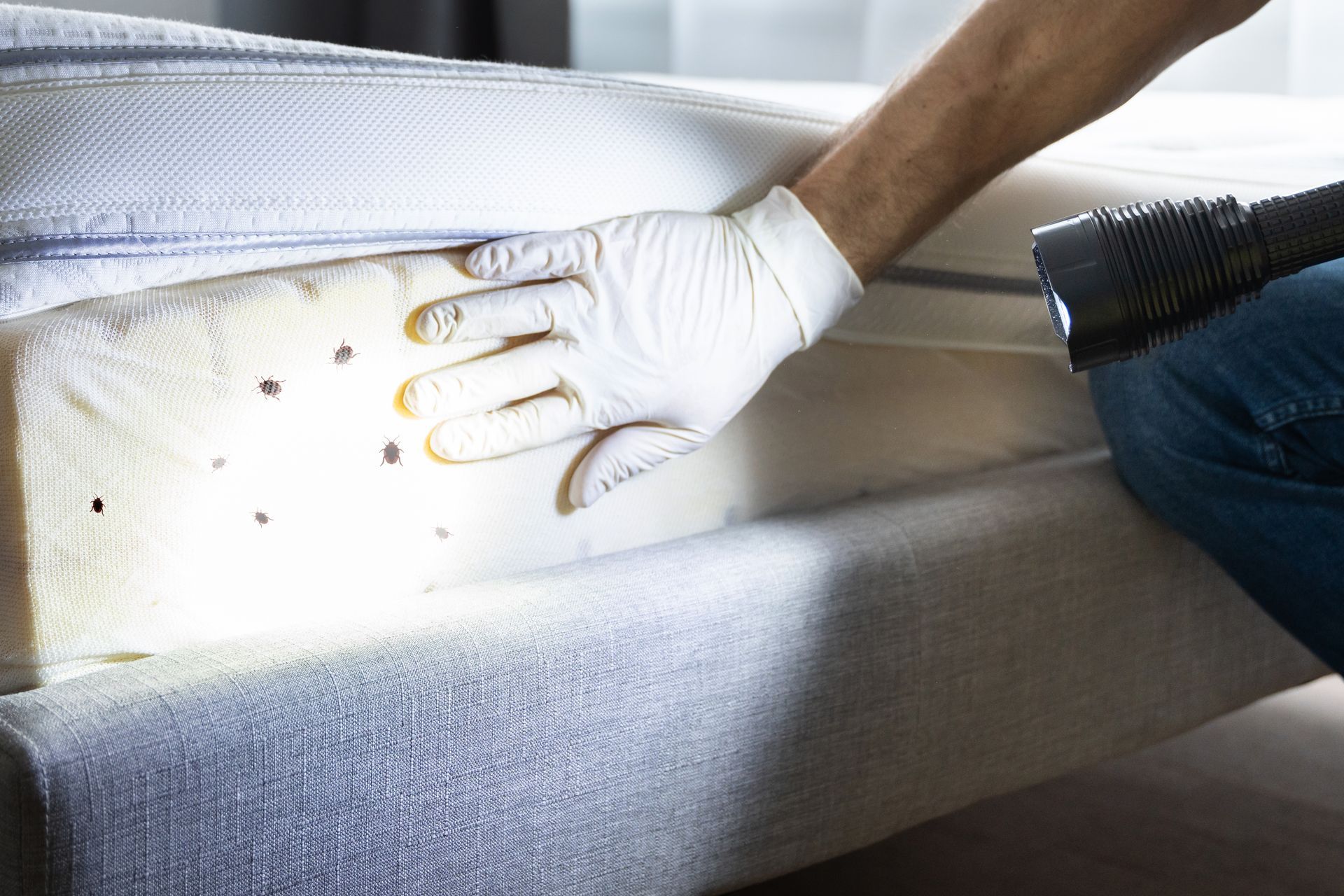
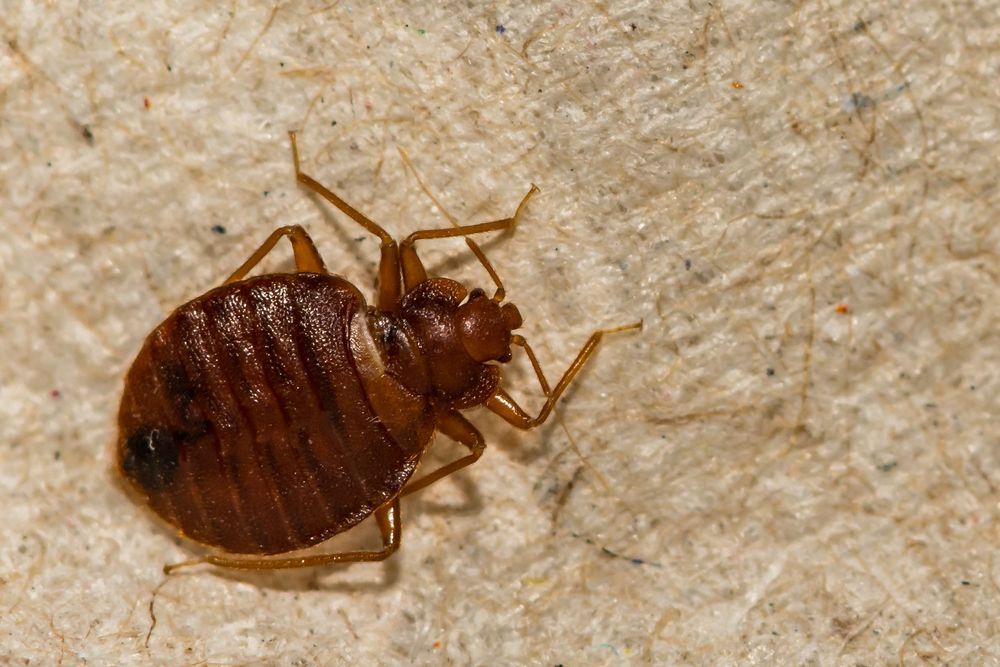
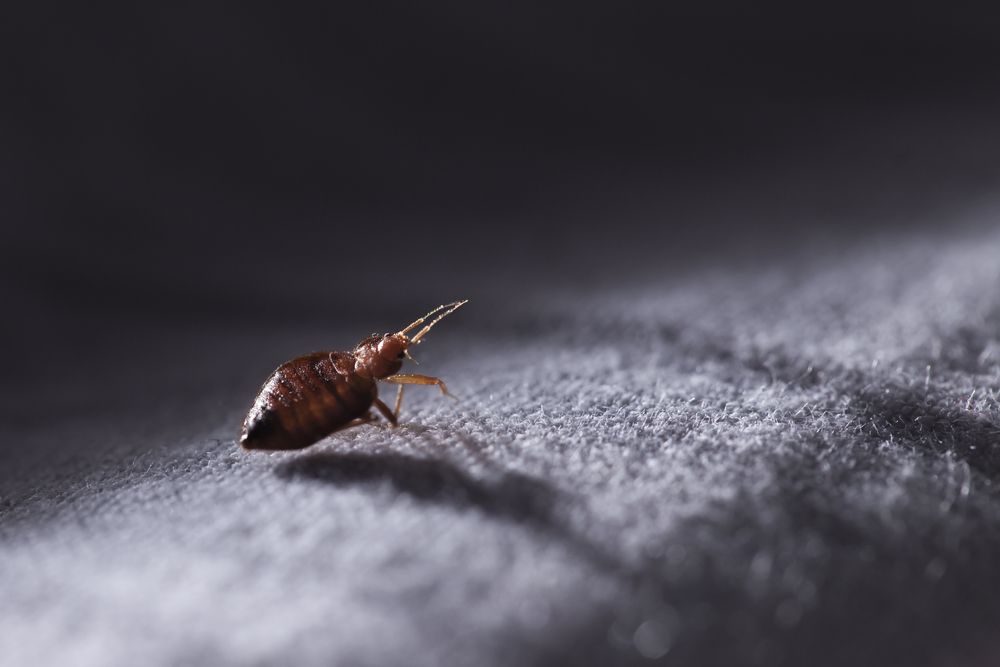
Done Right Pest Management LLC handles bed bug infestations by targeting the hidden spaces where these pests establish themselves—inside mattress seams, within upholstered furniture joints, behind baseboards, and throughout wall cracks where they retreat after feeding. Bed bugs are nocturnal feeders that emerge at night to bite occupants, leaving behind small blood spots on sheets, dark fecal staining on fabric edges, and visible adult insects or shed skins near hiding areas. Chemical remediation focuses on residual products that remain effective in the cracks and voids where bed bugs shelter during daylight hours, breaking the reproduction cycle over multiple life stages.
Treatment involves applying targeted formulations to harborage sites throughout affected rooms, including furniture frames, electrical outlets, carpet edges, and wall junctions where bed bugs commonly nest. Done Right Pest Management LLC offers fast scheduling for many bed bug appointments and includes multiple free retreatments when needed, recognizing that complete control often requires follow-up applications to address newly hatched nymphs from eggs that survive initial treatment.
Schedule a property inspection to identify all active harborage areas and determine the treatment scope for your situation.
How Bed Bug Treatment Stops Recurring Activity
The service begins with a detailed inspection of sleeping areas, furniture, and surrounding spaces to map where bed bugs are sheltering and reproducing. Technicians examine mattress tufts, box spring fabric, bed frame joints, nightstand drawers, upholstered chair seams, and baseboards to locate the concentrated populations that sustain the infestation. Chemical treatment is then applied directly to those harborage points, using formulations designed to reach deep into cracks and remain effective as bed bugs contact treated surfaces over the following weeks.
After treatment, you'll notice a rapid decline in biting activity as adult bed bugs die off, followed by visible reductions in spotting and live insect sightings over subsequent weeks. Fabric that previously showed fecal staining will no longer accumulate fresh marks, and the characteristic musty odor associated with large bed bug populations will dissipate as the infestation collapses. Retreatment visits address any remaining nymphs that hatch after the initial application, ensuring that the population does not rebuild.
Effective control requires preparing treated rooms by laundering bedding at high heat, vacuuming floors and furniture thoroughly, and providing clear access to baseboards and furniture for application. Items stored under beds or against walls may need to be moved temporarily, and clutter that creates additional hiding spaces can extend the treatment timeline if not addressed before service.
What Homeowners and Businesses Usually Ask
Bed bug concerns often center on how quickly treatment works, what preparation is required, and how to prevent reintroduction after service. These questions address common situations in Wooster properties.
What are the clearest signs that bed bugs are present in a property?
Small red or brown spots on sheets indicate bed bug fecal matter or crushed insects, while itchy bite marks in a line or cluster pattern on skin, visible live bugs near mattress seams, or a sweet musty odor in heavily infested rooms all point to active populations.
How does chemical treatment reach bed bugs that hide deep inside furniture and walls?
Residual insecticides are applied as liquid sprays or dusts that penetrate cracks, seams, and voids where bed bugs shelter, remaining active for weeks so that insects contact the product when they emerge to feed or move between harborage sites.
Why are multiple treatments often necessary to fully resolve a bed bug infestation?
Bed bug eggs are resistant to most insecticides, so retreatment visits target nymphs that hatch after the initial application, typically scheduled two to three weeks apart to interrupt the lifecycle before new adults can reproduce.
What should be done with bedding and clothing in rooms being treated for bed bugs?
All washable fabrics should be laundered in hot water and dried on high heat to kill any bed bugs or eggs, then stored in sealed plastic bags until treatment is complete to prevent reinfestation from untreated items.
How can bed bugs be prevented from returning after successful treatment in Wooster?
Regular inspection of secondhand furniture before bringing it indoors, using mattress encasements to eliminate hiding spots, reducing clutter that provides harborage, and checking luggage after travel all reduce the risk of reintroducing bed bugs into treated spaces.
Done Right Pest Management LLC provides thorough inspection and chemical remediation with follow-up retreatments included, addressing bed bug activity before it spreads further through your property. Contact the office at (567) 224-5216 to arrange an urgent inspection and begin treatment.
Bed Bug Treatment for One Room, Multiple Rooms, or the Whole Home
Not every bed bug infestation requires the same treatment plan. Done Right Pest Management begins with a detailed inspection to determine how far the infestation has spread and where bed bugs are hiding before deciding on the treatment scope.
For a single-room infestation, treatment can focus on the bedroom and the areas immediately surrounding the primary harborage sites. Technicians inspect mattress seams, box springs, bed frames, nightstands, upholstered furniture, baseboards, electrical outlets, and other cracks and crevices where bed bugs may hide. Targeted chemical applications are then made to those areas rather than unnecessarily treating unaffected portions of the home.
When bed bugs have been found in multiple rooms, the treatment plan expands to address each affected area and potential pathway between rooms. This can include bedrooms, living areas, upholstered furniture, baseboards, and other locations where evidence of activity is found. If an infestation has spread throughout the property, the inspection helps determine the appropriate scope for treating the **whole home**.
The goal is not simply to treat where you saw a bed bug. It is to identify the harborage areas supporting the infestation and treat those locations systematically.
Need a Quick Bed Bug Inspection?
If you have discovered bed bugs and need answers quickly, don't wait for the infestation to become more established. Done Right Pest Management offers fast scheduling for many bed bug appointments and is available by phone to discuss urgent pest concerns.
During an urgent inspection, the technician will look for signs of active bed bug activity, including live insects, shed skins, fecal spotting, and hiding places around mattresses, furniture, bed frames, baseboards, and other nearby areas. The inspection helps determine whether you're dealing with a localized problem or activity that has spread to additional areas of the property.
Once the inspection is complete, you'll know what areas need treatment and what preparation is required before service. Call **(567) 224-5216** to discuss an urgent bed bug concern and schedule an inspection.
No Prep Work Required Before Treatment
One of the advantages of choosing Done Right Pest Management is that there is zero prep work required from the homeowner before treatment. You do not need to spend hours moving furniture, bagging belongings, stripping rooms, or preparing the home before the technician arrives.
Done Right Pest Management handles the inspection and treatment process for you. When you schedule service, you'll receive any information you need about the appointment, but there is no extensive homeowner preparation required before the initial treatment.
This makes getting professional help easier, especially when you've discovered bed bugs and want to address the problem quickly.
Up to 4 Treatments — Not Just a One-and-Done Service
Bed bug infestations can be difficult to eliminate with a single treatment because eggs may survive the initial application and hatch later. That's why Done Right Pest Management doesn't simply treat your home once and leave you on your own.
Qualifying bed bug service plans include up to four treatments, allowing technicians to follow up and address remaining or newly hatched bed bugs as needed. Follow-up treatments are an important part of breaking the bed bug life cycle and helping ensure the infestation is properly addressed.
Instead of a one-and-done approach, Done Right Pest Management provides continued treatment when it's needed, giving homeowners additional opportunities to eliminate remaining activity without paying for every follow-up visit. Service agreement terms apply.
No Prep Work Required Before Treatment
Your first visit begins with an inspection to identify signs of bed bug activity and determine which areas require treatment. The technician looks at common hiding areas such as mattresses, box springs, bed frames, furniture, baseboards, cracks, crevices, and other potential harborage locations.
Treatment is then targeted to the areas where bed bugs are found or are likely to be hiding. Depending on the size and location of the infestation, treatment may focus on one room or extend to multiple rooms or the entire home.
The important difference is that you don't have to prepare the home beforehand. Done Right Pest Management handles the treatment process and can return for additional treatments as needed, with qualifying plans covering up to four treatments.
Targeted Chemical Treatment With Follow-Up Support
Done Right Pest Management uses targeted chemical treatment to reach bed bugs in the cracks, seams, voids, and other protected harborage areas where they spend most of their time. Applications may include mattresses and furniture seams, bed frames, baseboards, electrical outlets, carpet edges, and wall junctions when those areas are identified as treatment sites.
A single application may not eliminate every stage of an infestation because bed bug eggs can survive an initial treatment. That's why follow-up matters. Done Right Pest Management includes **multiple free retreatments with qualifying bed bug service plans**, allowing additional visits when needed to address newly hatched nymphs and remaining activity. Service agreement terms apply.
Bed Bug Treatment Throughout North Central Ohio
Done Right Pest Management provides bed bug treatment throughout North Central Ohio, including **Ashland, Mansfield, Plymouth, Wooster, Norwalk, Shelby, and surrounding communities**. The company is family owned and operated from Plymouth, Ohio, and serves homes and businesses throughout the region.
Whether you're dealing with bed bugs in one bedroom, multiple rooms, an apartment, or an entire home, the first step is identifying where the infestation is established and determining the appropriate treatment scope.
Call (567) 224-5216 to schedule your bed bug inspection or request a free quote.