Protection That Keeps Homes Comfortable Year-Round
Residential Pest Control in Shelby and the surrounding North Central Ohio areas for homes dealing with active infestations or seasonal pest pressure
Done Right Pest Management LLC handles residential pest control in Wooster and surrounding areas when households notice ants trailing along baseboards, spiders building webs in corners, or rodents moving through walls at night. The service addresses active infestations and establishes barriers that reduce the likelihood of pests returning after treatment. Homes with basements, crawl spaces, or wooded lot lines often see higher pest activity during spring thaw and late summer when outdoor populations search for shelter and food sources indoors.
Treatment plans account for the specific pests present, entry points around doors and foundation cracks, and conditions inside the home that attract or sustain populations. North Central Ohio properties typically deal with pavement ants during warmer months, brown recluse spiders in undisturbed storage areas, and field mice seeking warmth as temperatures drop in October and November. Application methods vary based on whether the household includes children, pets, or individuals with chemical sensitivities, and technicians adjust product selection and placement accordingly.
Request a property inspection to identify current pest activity and potential entry points.
What Happens After Treatment Completes
Technicians inspect interior spaces where pests have been sighted, exterior perimeter zones where populations enter, and structural gaps that allow access to wall voids or attic spaces. Treatment typically includes targeted applications in high-activity areas, exclusion recommendations for gaps larger than one-quarter inch, and follow-up scheduling if pest pressure requires multiple visits. Cockroach treatment in multi-unit buildings often involves coordination with adjacent units since populations move through shared plumbing chases and electrical conduit pathways.
After service, you'll notice fewer live pests in kitchens and bathrooms, reduced spider webbing in basement corners, and elimination of the trails that ants follow from outdoor nests to interior food sources. Done Right Pest Management LLC adjusts treatment intervals based on whether the property sits near agricultural fields, wooded areas, or dense neighborhoods where pest pressure remains consistent. Homes with ongoing protection plans see fewer emergency calls because seasonal populations are managed before they establish indoor harborage sites.
The service does not include structural repairs to close entry points, but technicians document gaps and recommend sealing materials during inspections. Treatment for bed bugs or termites requires specialized protocols beyond standard residential pest control and is quoted separately based on infestation scope and square footage.
Questions Homeowners Ask Before Scheduling
Families throughout Wooster often have similar concerns before starting pest control service, especially when children and pets spend time in treated areas.
What pests does residential service address?
Treatment covers ants, spiders, cockroaches, rodents, wasps, fleas, ticks, and mosquitoes depending on the property's current activity and seasonal patterns. Bed bugs require a separate inspection and heat or chemical treatment protocol.
How soon after treatment can children and pets return to treated rooms?
Most products allow re-entry once treated surfaces dry completely, typically within two to four hours depending on humidity levels and ventilation. Technicians provide specific re-entry guidance based on the products applied during your service visit.
Why do ant trails reappear after the first treatment?
Ant colonies located outdoors continue sending foragers indoors until the queen and brood are affected by transferred product or until exterior nest sites are treated directly. Full control often requires two to three weeks as worker ants carry treatment back to the colony.
What happens during a routine inspection?
Technicians check common pest entry points including foundation cracks, door sweeps, utility line penetrations, and attic vents while looking for live pests, droppings, shed skins, or damage patterns that indicate active infestations.
How does weather in Wooster affect pest activity?
Spring rains drive ants and spiders indoors as soil moisture floods shallow nests, while cold snaps in late fall push rodents toward heated basements and attics. Treatment timing around these seasonal shifts reduces the chance of large populations establishing inside your home.
Done Right Pest Management LLC customizes residential treatment around your household's pest concerns and scheduling needs. Contact the team to arrange an inspection and receive a detailed service estimate based on your property's current conditions.
What to Expect During a Residential Pest Control Appointment
Every home has different pest pressures, so Done Right Pest Management starts with an inspection before treatment begins. The goal is to identify not only where you're seeing pests, but also how they're getting inside and where they may be hiding.
1. Inspect the Home for Pest Activity and Entry Points
The technician begins by looking for signs of current pest activity, including live insects, droppings, trails, webs, damage, and other evidence of an infestation. The inspection also focuses on common entry points and areas that can give pests access to the home.
This can include checking around the foundation, doors, windows, utility penetrations, cracks, gaps, basements, and other areas where pests may enter or move through the structure. Identifying these access points helps determine where treatment should be concentrated.
2. Treat Interior Areas Where Pests Are Active
After the inspection, treatment is applied to appropriate areas inside the home based on what the technician finds. Interior applications can include targeted treatment along baseboards, window sills, basement areas, cracks, crevices, and other locations where pests are active or likely to travel.
The products and application methods are selected based on the pest problem and the conditions inside the home. Technicians can also provide guidance about entry points or other conditions that may be contributing to pest activity.
3. Protect the Exterior of the Home
Interior treatment is only part of the process. Done Right Pest Management also treats the exterior areas where pests commonly approach and enter the home.
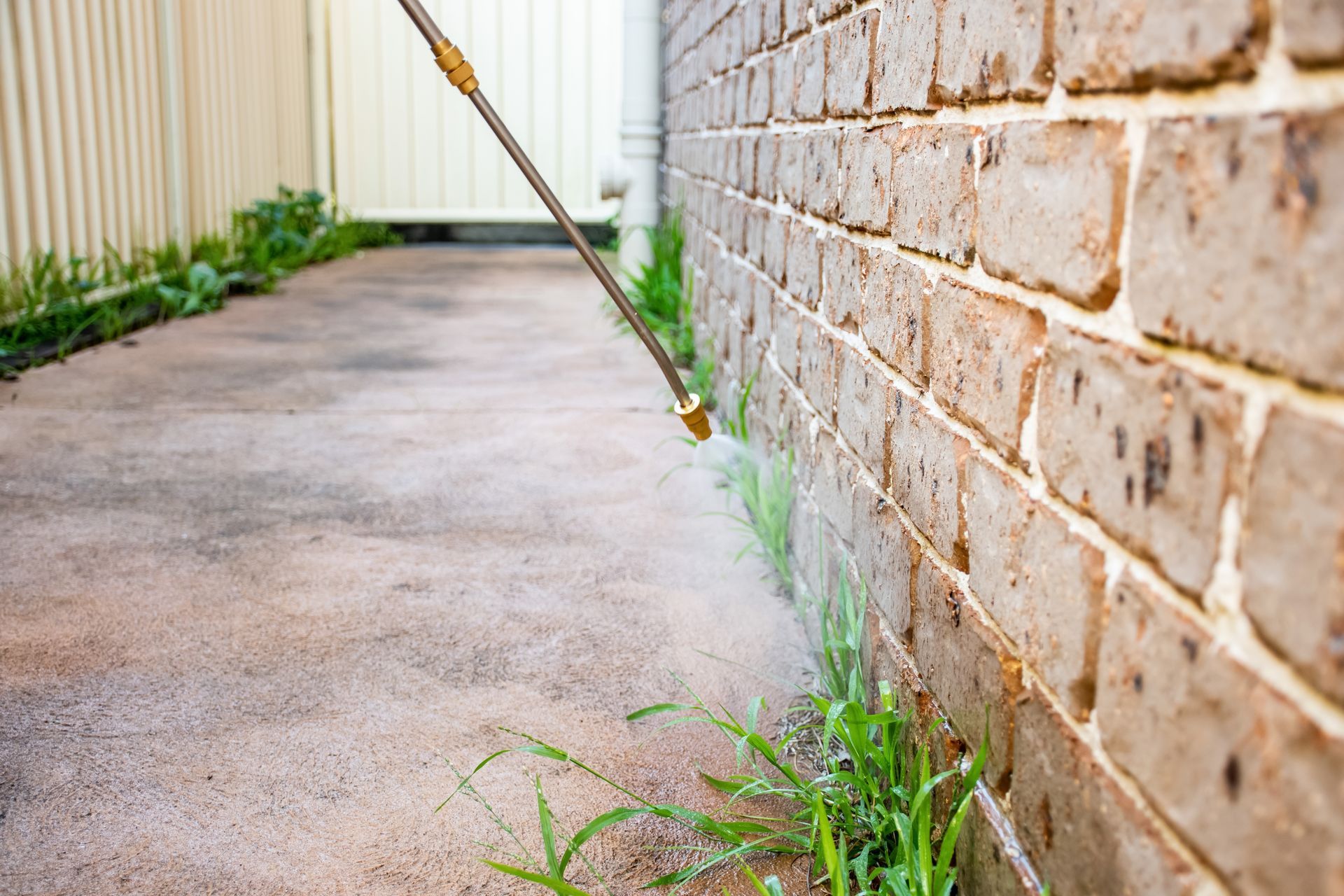
Exterior service can include applications around the foundation, windows, doors, and other potential access points to create a treated perimeter around the structure. Addressing these exterior areas helps reduce the opportunity for pests to make their way indoors and provides an additional layer of protection between your home and outdoor pest populations.
4. Recommendations Based on Your Home
After treatment, the technician can identify conditions that may contribute to recurring pest activity, such as gaps around the structure or areas that provide pests with easy access. Done Right Pest Management can recommend where sealing or other corrective work may be beneficial.
The result is a more complete approach to residential pest control: inspect for activity and entry points, treat the areas where pests are present, and protect the exterior areas where they try to get inside.
If you're dealing with ants, spiders, cockroaches, rodents, wasps, or other household pests, contact Done Right Pest Management to schedule a residential pest control inspection.
Every home has different pest pressures, so Done Right Pest Management starts with an inspection before treatment begins. The goal is to identify not only where you're seeing pests, but also how they're getting inside and where they may be hiding.