Reducing Exposure in Yards and Vegetation
Tick Control in Norwalk and the surrounding North Central Ohio areas for Properties With Outdoor Family and Pet Activity
Tick activity concentrates in vegetation, leaf litter, tall grass, and transition zones between mowed lawn and wooded or brushy areas where humidity remains higher and hosts pass frequently. Properties throughout Wooster with suitable habitat allow ticks to persist through multiple life stages, increasing the chance that families and pets encounter them during routine outdoor use. Done Right Pest Management LLC provides tick control by treating the areas where ticks rest and wait for hosts rather than attempting to eliminate them across entire properties, which is neither practical nor effective given how ticks move and establish in specific microclimates.
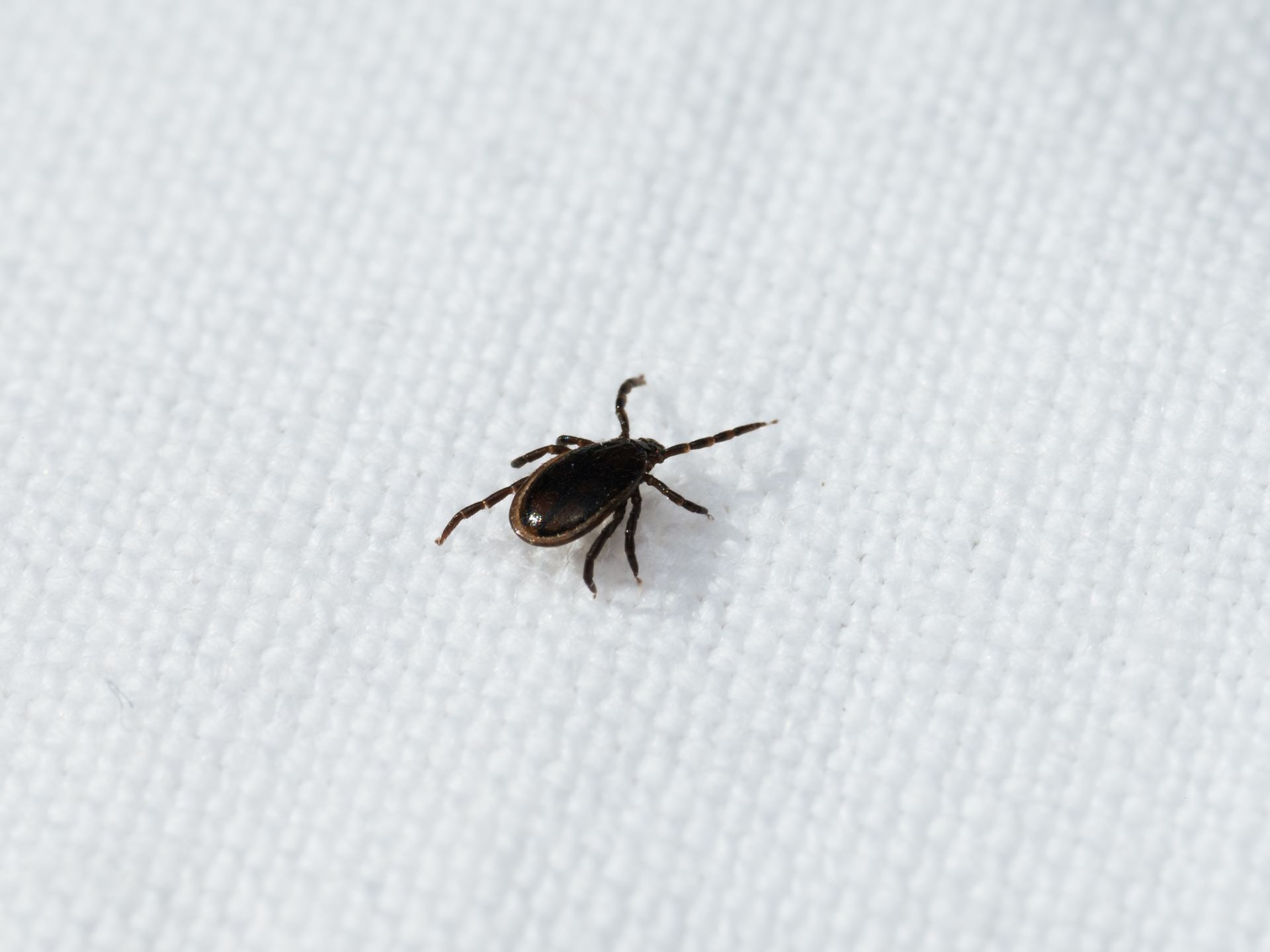
Tick control focuses on reducing populations in high-exposure zones such as lawn edges, play areas, pet runs, walking paths, and perimeters around patios and decks. Professional treatment applies materials to vegetation and ground cover where ticks quest for hosts, targeting the nymphs and adults most likely to attach to people and animals during outdoor activity. In north central Ohio, blacklegged ticks and American dog ticks are the primary species affecting residential properties, with activity peaking during spring and again in fall when temperature and moisture conditions favor movement.
Request seasonal tick control service to address pressure in the outdoor areas your family and pets use most.
How Professional Treatment Complements Property Maintenance
Effective tick management combines targeted treatment with practical steps property owners can take to reduce habitat suitability, such as keeping grass mowed short, clearing leaf litter and brush piles, and creating gravel or mulch barriers between lawns and wooded edges. Treatment is applied to vegetation up to three feet in height and to ground cover where ticks rest between blood meals, using materials that remain active long enough to affect ticks as they move through treated zones during questing behavior. Done Right Pest Management LLC emphasizes the company's pet and kid friendly treatment approach by selecting materials with appropriate safety profiles for outdoor residential use.
After treatment is completed, you'll notice fewer ticks attaching to pets after they move through the yard and reduced encounters when children play near lawn edges or in areas adjacent to taller vegetation. Treated properties still require vigilance, because ticks are mobile and can be carried onto the property by wildlife or pets that roam beyond treated zones, but overall exposure decreases significantly in the areas that receive regular applications.
Seasonal timing matters because tick activity follows predictable patterns tied to temperature and host availability. Spring applications reduce nymph populations during their most active period, while late-summer or early-fall treatments target adult ticks before they seek hosts for overwintering blood meals. Properties with dense landscaping or adjacent wooded areas benefit most from repeated applications timed to match regional activity cycles observed across Wooster and surrounding areas.
Questions About Tick Management
Tick control requires understanding where ticks establish, how they move, and what treatment can realistically accomplish given the pest's biology and habitat requirements.
What areas should be treated for tick control?
Focus on lawn edges, vegetation around play areas and patios, transition zones between mowed grass and wooded areas, and any locations where pets spend time outdoors, as these are where ticks quest for hosts most actively.
How does tick treatment work if ticks are carried onto the property by wildlife?
Treatment reduces resident tick populations in vegetation and ground cover, but it cannot prevent wildlife from bringing new ticks onto the property, so ongoing applications help maintain lower exposure levels in treated zones.
When is tick activity highest in Wooster?
Nymphs are most active during late spring and early summer, while adult ticks peak in fall and again in early spring, so properties benefit most from treatments timed to those periods when exposure risk is elevated.
What property maintenance steps reduce tick habitat?
Mowing grass short, removing leaf litter and brush piles, clearing tall weeds along fence lines, and creating gravel or wood-chip barriers between lawns and wooded edges all make conditions less favorable for ticks to establish and quest.
How long does tick treatment remain effective?
Most applications provide several weeks of residual activity depending on weather conditions and vegetation density, so multiple treatments per season are typically recommended to maintain protection during peak activity periods.
Done Right Pest Management LLC applies tick control with attention to the areas where your family and pets face the highest exposure. Call to discuss seasonal treatment options and schedule service for your Wooster property.